

Transform Your Space with Psychology-Driven Interior Design
Creating a space that feels right is more than just aesthetics; it’s about understanding how our environment influences our emotions and behaviors. Psychology-driven interior design taps into this concept, allowing us to craft spaces that not only look good but also enhance our well-being. In this post, we will explore how to transform your space using principles from psychology, offering practical tips and examples to inspire your next design project.
Understanding the Basics of Psychology-Driven Design
Psychology-driven design is rooted in the understanding of how colors, shapes, and layouts affect our mood and behavior. Here are some key principles to consider:
Color Psychology
Colors can evoke specific feelings and reactions. For instance:
Blue: Often associated with calmness and serenity, making it ideal for bedrooms or meditation spaces.
Yellow: A cheerful color that can stimulate creativity, perfect for home offices or creative spaces.
Green: Represents nature and tranquility, suitable for living areas or gardens.
Spatial Awareness
The layout of a room can significantly impact how we feel in that space. Open layouts can promote social interaction, while cozy nooks can provide comfort and solitude. Consider the following:
Flow: Ensure there is a natural flow between spaces to avoid feelings of confinement.
Zoning: Use furniture placement to create distinct areas for different activities, such as work, relaxation, and socializing.
Lighting
Lighting plays a crucial role in setting the mood. Natural light is ideal, but when that’s not possible, consider:
Layered Lighting: Use a combination of ambient, task, and accent lighting to create a versatile atmosphere.
Warm vs. Cool Light: Warm light can create a cozy environment, while cool light is better for focus and productivity.
Practical Tips for Implementing Psychology-Driven Design
Now that we understand the basics, let’s delve into practical ways to apply these principles in your space.
Start with a Color Palette
Choosing a color palette is one of the first steps in designing a space. Here’s how to do it effectively:
Identify Your Purpose: Determine what you want to achieve in the space. Is it relaxation, productivity, or creativity?
Select a Base Color: Choose a dominant color that aligns with your purpose. For example, if you want a calming bedroom, start with soft blues or greens.
Add Accent Colors: Incorporate complementary colors through decor, furniture, or artwork. This adds depth and interest without overwhelming the senses.
Optimize Layout for Functionality
The layout of your space should reflect how you use it. Here are some strategies:
Create Zones: In open-concept spaces, use rugs or furniture to define different areas. For example, a large rug can delineate a living area from a dining space.
Prioritize Comfort: Arrange furniture to encourage conversation and comfort. Sofas should face each other, and seating should be at a comfortable distance.
Incorporate Nature
Bringing elements of nature indoors can enhance well-being. Here’s how to do it:
Use Natural Materials: Incorporate wood, stone, and plants into your design. These materials create a sense of warmth and connection to nature.
Add Plants: Houseplants not only purify the air but also add life to your space. Consider low-maintenance options like snake plants or pothos.
Focus on Lighting
Lighting can make or break a space. Here are some tips to enhance your lighting:
Maximize Natural Light: Use sheer curtains to allow light in while maintaining privacy. Mirrors can also reflect light and make a space feel larger.
Install Dimmers: Dimmers allow you to adjust the brightness according to the time of day or activity, creating a versatile environment.
Case Studies: Successful Psychology-Driven Designs
To illustrate the effectiveness of psychology-driven design, let’s look at a few case studies.
Case Study 1: A Home Office Transformation
A client wanted to create a home office that fostered productivity. By incorporating a cool color palette of blues and greens, optimizing the layout for functionality, and adding layered lighting, the space became a haven for focus and creativity. The addition of plants not only improved air quality but also provided a calming effect.
Case Study 2: A Cozy Living Room
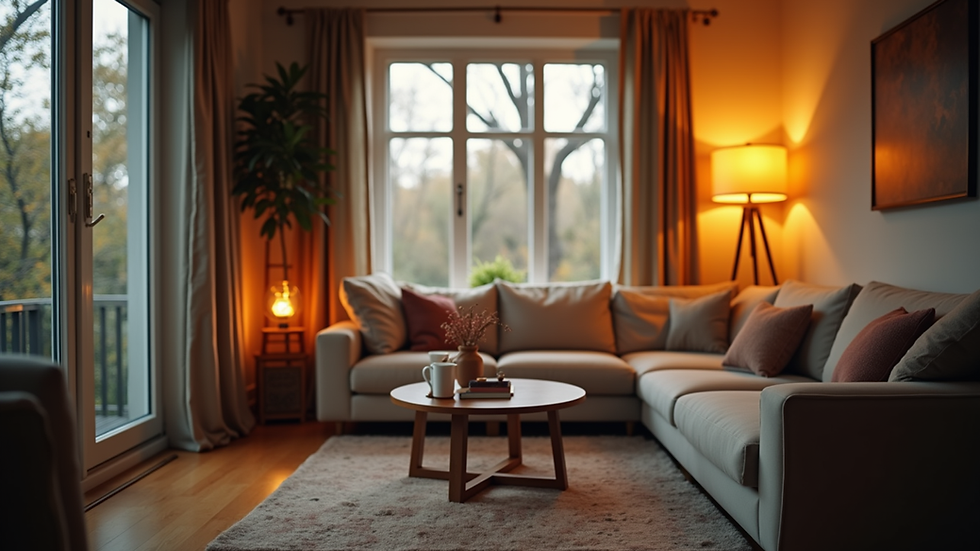
In another project, a couple desired a living room that felt warm and inviting. They chose warm lighting, a neutral color palette with pops of yellow, and arranged furniture to encourage conversation. The result was a space that felt both cozy and welcoming, perfect for entertaining guests or enjoying quiet evenings.
The Impact of Personalization
Personalizing your space is essential for creating an environment that resonates with you. Here are some ways to make your space uniquely yours:
Incorporate Personal Items
Display items that reflect your personality, such as:
Artwork: Choose pieces that inspire you or evoke positive memories.
Travel Souvenirs: Showcase items from your travels to create a sense of nostalgia and connection.
Use Meaningful Colors
While color psychology provides guidelines, personal preferences matter. If a particular color makes you feel happy, incorporate it into your design, even if it’s not traditionally associated with that emotion.
Conclusion: Take Action to Transform Your Space
Transforming your space with psychology-driven interior design is a powerful way to enhance your well-being and create an environment that reflects your personality. By understanding the principles of color psychology, spatial awareness, and lighting, you can create a space that not only looks good but also feels good.
Start by assessing your current space and identifying areas for improvement. Experiment with colors, layouts, and lighting to find what resonates with you. Remember, the goal is to create a space that supports your lifestyle and enhances your mood.
Take the first step today. Whether it’s painting a wall, rearranging furniture, or adding a few plants, small changes can lead to significant improvements in how you feel in your space. Embrace the journey of transforming your environment, and enjoy the positive impact it can have on your life.
Comments